
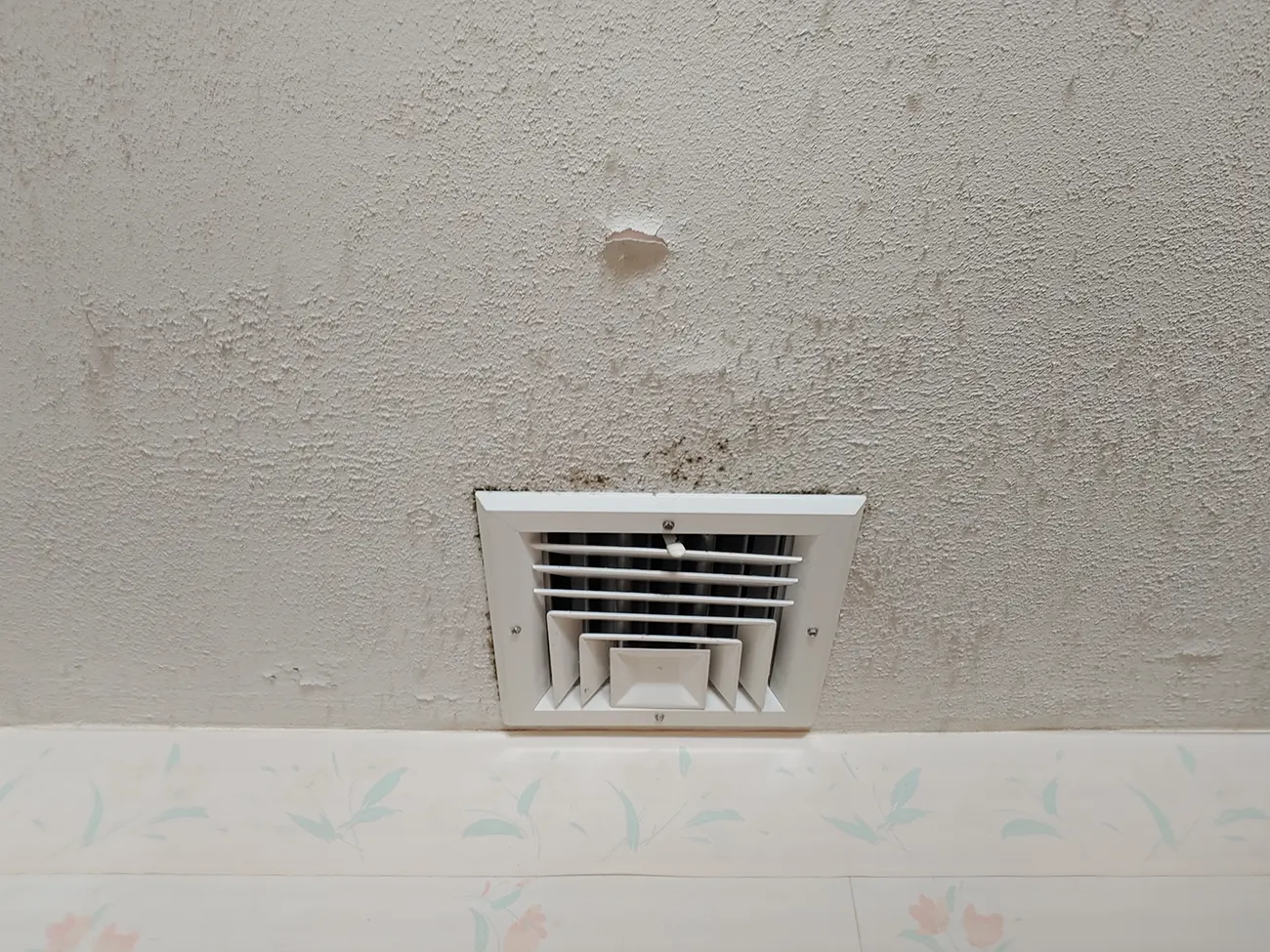
During a relentless Charlotte summer, your central air conditioning system does far more than drop indoor temperatures; it acts as a high-capacity dehumidifier, pulling anywhere from five to fifteen gallons of airborne water out of your living spaces every single day. For homeowners exploring Charlotte Mold Remediation, one of the most destructive and stealthy moisture sources sits directly above their heads: an attic air handler with a clogged condensate line or an overflowing drain pan. In our humid Piedmont climate, where outdoor relative humidity routinely hovers above eighty percent and attic temperatures regularly surpass 130 degrees Fahrenheit, an unnoticed drip can quietly saturate structural framing, soak insulation, and distribute toxic fungal spores through your ductwork long before a stain appears on your ceiling drywall.
When an evaporator coil running at a chilly 45 degrees meets the stifling heat of an unconditioned Carolina attic, the extreme temperature differential creates continuous, heavy condensation. That moisture is designed to trickle down the coil fins into an internal primary drain pan and exit the home through a dedicated three-quarter-inch PVC drain line. However, when biological sludge, dust, and algae restrict that narrow pipe, the system begins a quiet, catastrophic overflow.
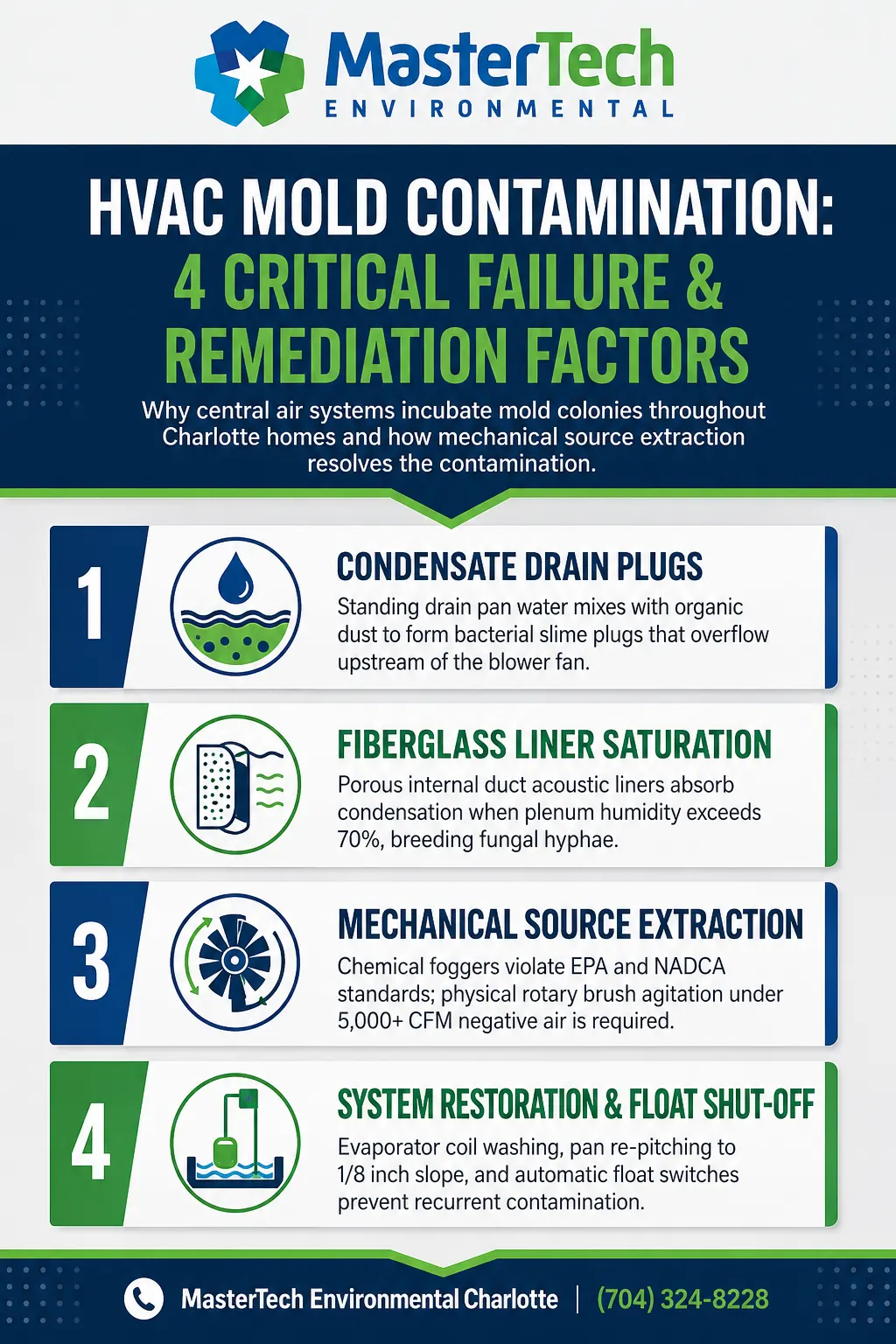
Many homeowners wonder how clean condensation water can clog a solid plumbing pipe. The answer lies in the microscopic ecosystem inside your air handler. As household air circulates through the return ducts, it carries microscopic skin cells, pet dander, cooking aerosols, and airborne bacterial spores past your air filter.
When these organic particles hit the wet evaporator coil, they wash down into the dark, warm condensate pan, creating an ideal breeding ground for Zoogloea bacteria. These bacteria produce a dense, gelatinous extracellular polysaccharide matrix—frequently called ‘white jelly’ or ‘algae slime’ by HVAC technicians. This thick biological plug glues itself to the interior walls of the PVC line, creating an impermeable barrier. Within hours of a complete blockage, gallons of condensation back up, overflowing the primary pan and spilling into the auxiliary emergency pan.
While building codes require a secondary metal or plastic emergency pan beneath attic air handlers, these pans are temporary holding basins, not permanent drainage solutions.
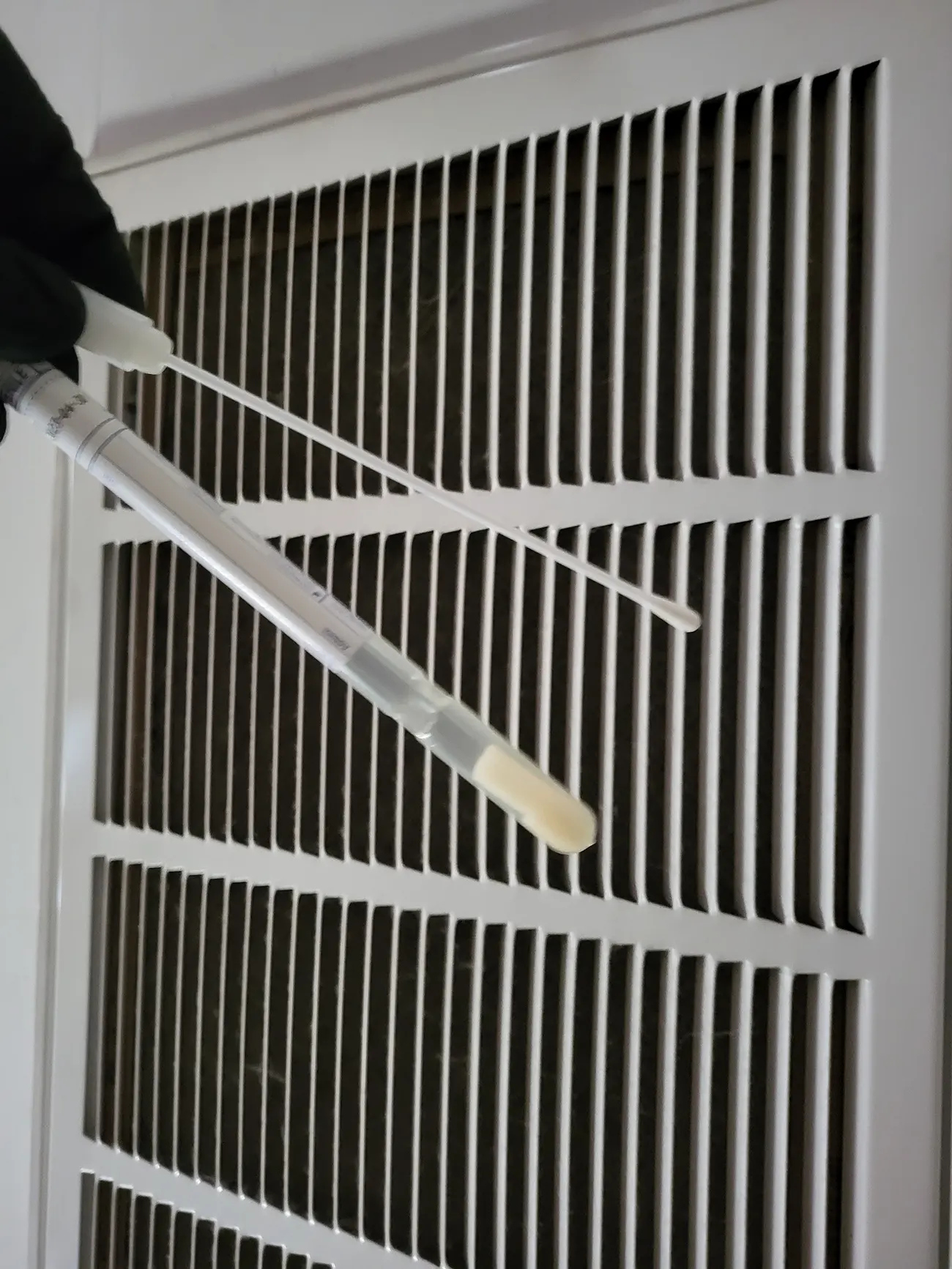
When musty odors blow from AC registers, many homeowners try quick fixes like aerosol disinfectant sprays, fogging canisters, or commercial ozone generators. These superficial band-aids fail because they ignore the physical realities of fungal biology.
Fungi colonizing porous fiberglass duct liner, ceiling joists, and drywall develop deep root structures called hyphae that anchor into the substrate. Chemical fogging only coats the exterior surface, leaving the living root system intact to regenerate as soon as the chemical dissipates. Furthermore, dead mold spores and cellular fragments remain potent allergenic triggers even after chemical treatment. True remediation requires physical removal under negative air containment, not cosmetic odor masking.
| Remediation Parameter | Superficial DIY Sprays & Fogging | Certified IICRC S520 Physical Source Removal |
| Root Structure Extraction | Zero penetration; leaves fungal roots intact inside wood and duct board | Complete surgical removal of porous media and deep abrasive wood cleaning |
| Cross-Contamination Control | Spreads airborne spores throughout bedrooms via unsealed HVAC registers | HEPA-filtered negative air containment zones completely isolate the workspace |
| HVAC Component Hygiene | Coats internal coils with chemical residues that attract dirt and biofilm | Mechanical scrubbing and EPA-registered antimicrobial wash of coils and blower wheels |
| Moisture Source Resolution | Ignores drain pan slope, cracked fittings, and blocked condensate lines | Re-engineers primary drainage, clears P-traps, and tests safety float switches |
| Post-Remediation Verification | None; relies on visual guesswork and temporary chemical fragrance | Independent third-party laboratory air clearance testing confirming safety |
Catching an attic condensation leak early can save thousands of dollars in structural framing repairs and duct replacement.
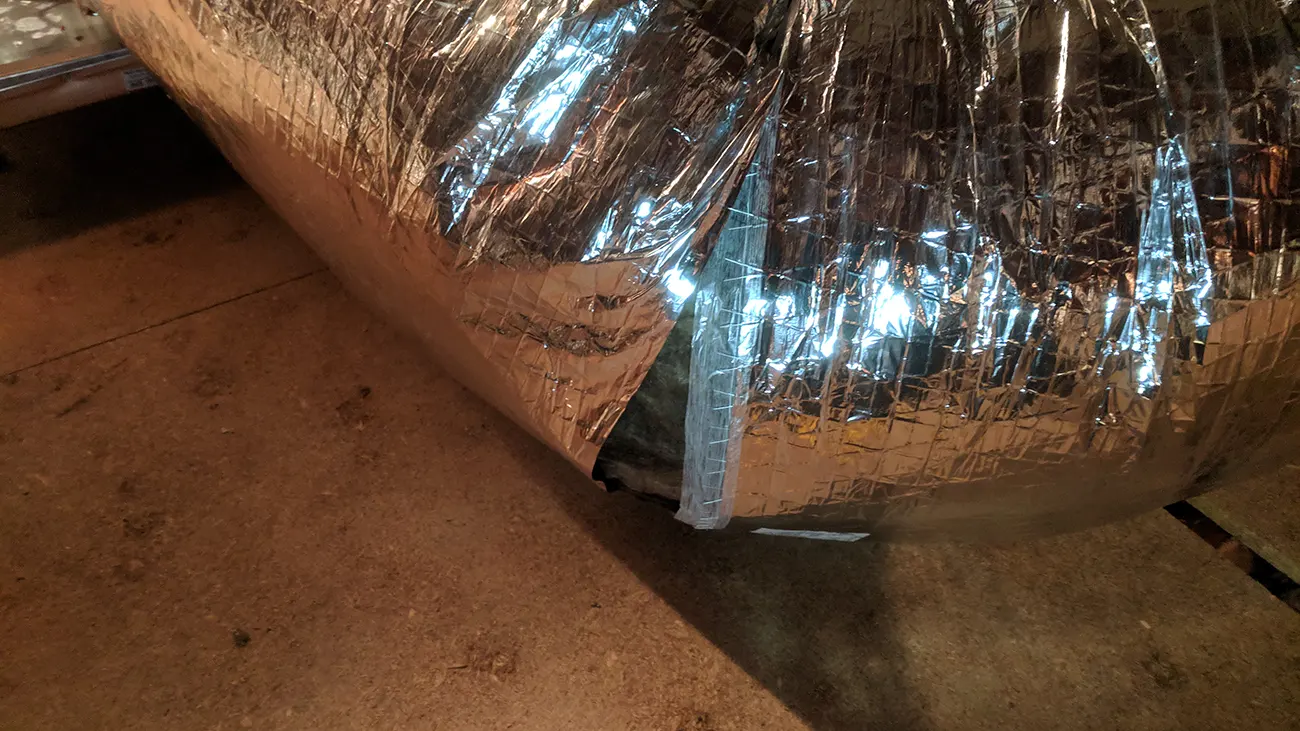
Homeowners can take active steps to protect their HVAC systems from drain pan overflows. Installing an electronic float switch (often called a ‘safe-T-switch’) on both the primary drain line and the auxiliary pan ensures that if water rises, the switch automatically cuts electrical power to the condenser, shutting down cooling before water spills over the edge.
Additionally, flushing your condensate line every sixty days during the cooling season with a cup of regular distilled white vinegar dissolves young bacterial slime without corroding PVC fittings or aluminum coil fins. Combining routine mechanical inspections with annual professional duct evaluations helps keep your cooling equipment an asset rather than a hidden environmental liability.
An attic air conditioning leak in Charlotte is never just a minor plumbing inconvenience; in our climate, it can quickly become a catalyst for aggressive microbial contamination. Allowing condensation to seep into joists and ductwork jeopardizes your home’s structural framing and compromises the air your family breathes for months at a time.
If you suspect an air handler leak, spot moisture around your attic equipment, or notice recurring musty odors when your system runs, professional diagnostic evaluation is the safest and most definitive path forward. By identifying hidden moisture traps, safely containing contaminated areas, and physically eliminating fungal reservoirs, certified specialists help keep your home cool, safe, and truly healthy all summer long.