
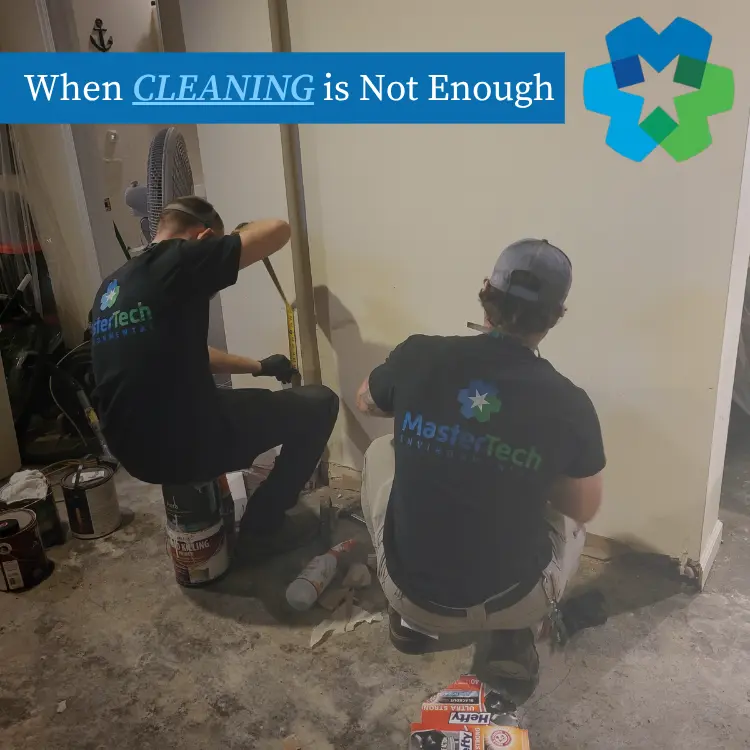
From living in this part of our state, you know homes can be affected by our area’s long, muggy summers, severe winds, and hurricanes. If you’ve spotted dark spots in your shower, under the sink, or along a basement wall, your first thought is probably, “I can just clean that.” And sometimes you can. But other times, what looks like a quick cleaning job is a sign of a deeper moisture problem hiding in your walls or under your floors, so it’s important to know when to consult a Charlotte Mold Remediation specialist.
Mold is rarely just a surface issue for long. Once moisture gets into drywall, insulation, subflooring, or other absorbent materials, spores can spread beyond what you can see and continue growing even after the stained area looks better. That is why understanding the difference between simple cleanup and true remediation can protect both your property and your indoor air quality.
Mold cleaning is not enough when mold is tied to a hidden moisture source, has reached porous materials, keeps returning after cleanup, or creates odors and indoor air concerns beyond the visible stain.
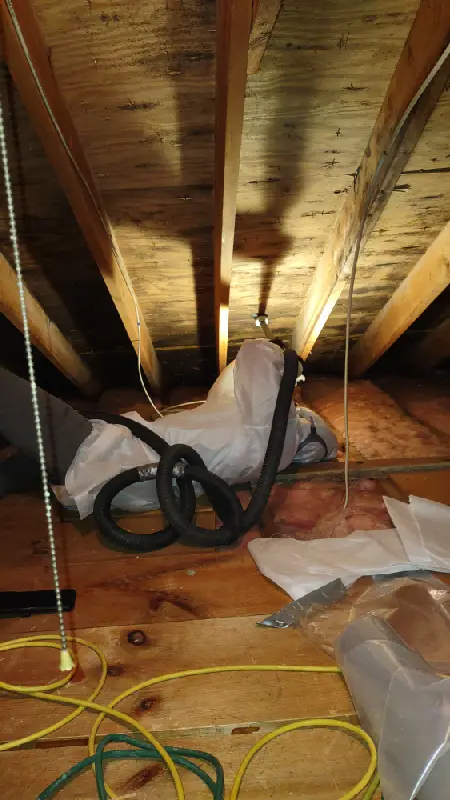
Is this a Cleanable Surface Problem, or Mold Removal?
A cleanable mold problem usually has clear limits. You see it on a hard surface, the area is small, and the material underneath does not hold moisture. A remediation problem looks different. The mold appears on drywall, carpet, insulation, wood, or another absorbent surface, or it keeps showing up after cleaning. Before treating it as a simple cleanup job, check the surface, size, material, odor, and history of the spot. Those details tell you whether you are dealing with visible residue or a moisture problem that has moved into the home’s building materials.
| What You See | More Likely Cleaning | More Likely Remediation |
| Mold is on tile, glass, metal, or a sealed countertop | Yes | No, unless it keeps returning |
| Mold is on drywall, carpet, insulation, ceiling tile, or unfinished wood | No | Yes |
| The affected area is small and clearly contained | Possibly | No, unless there is hidden moisture |
| The same spot comes back after cleaning | No | Yes |
| There is a musty odor without a clear source | No | Yes |
| The area was exposed to a leak, flood, burst pipe, or storm water | No | Yes |
| Paint is bubbling, drywall feels soft, or flooring feels damp | No | Yes |
| You cleaned it once and it stayed gone | Yes | No |
| You do not know where the moisture came from | No | Yes |
According to EPA guidelines, most homeowners can safely handle mold cleaning only when the affected area is small and on hard, non-porous surfaces like tile, glass, or sealed countertops. EPA guidance also notes that once mold affects a larger area or penetrates porous materials, cleanup becomes much less straightforward because mold can grow into tiny spaces that ordinary wiping cannot reach. In those cases, the real issue is not simply what you can scrub away, but whether the moisture source has been identified and whether any damaged material needs to be removed and replaced.
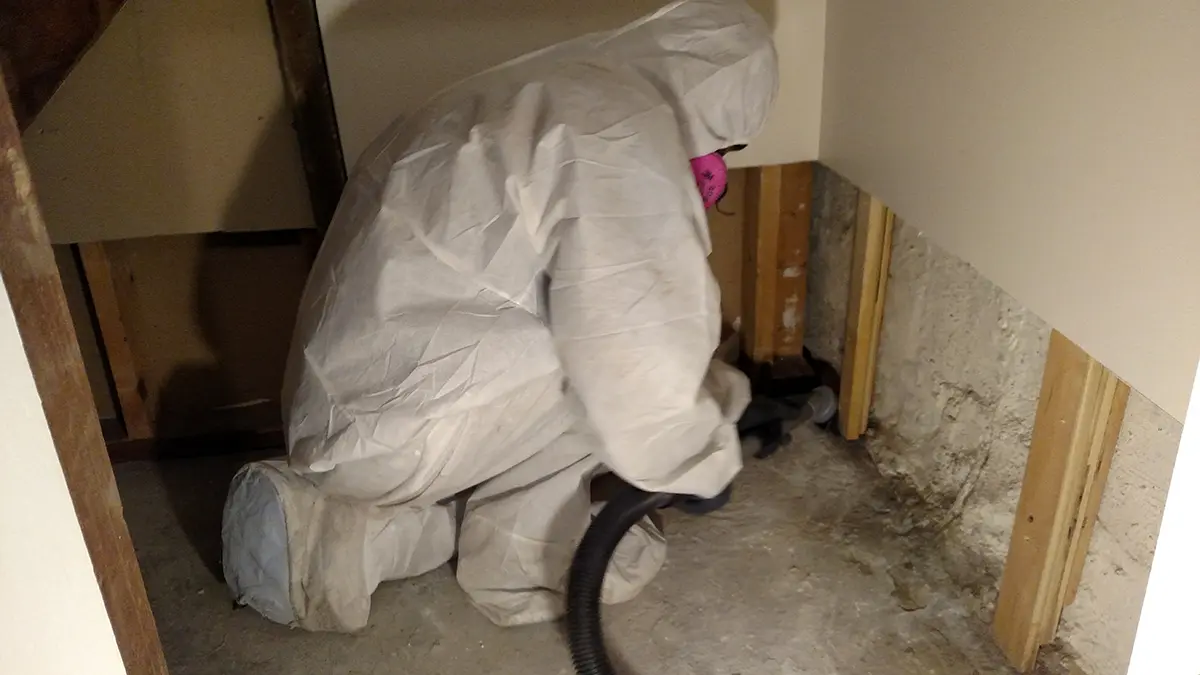
When Should I Reach Out for an Expert Evaluation?
Many homeowners understandably want to avoid calling a mold company too soon. No one wants to turn a small cleanup job into a larger project if it does not need to be one. The problem is that waiting can make the decision harder, especially when moisture is active or the mold has reached materials that hold water. Reach out for an expert evaluation when there is a known leak, flood, burst pipe, condensation, or standing water, or when any of these other warning signs are present:
If one or more of these signs are present, the issue has likely moved beyond basic surface cleaning. An expert evaluation helps confirm where the moisture is coming from, how far the mold has spread, and whether the affected materials need cleaning, removal, drying, or replacement.
What’s Wrong with a Cosmetic Fix? I’ve done it before.
A cosmetic fix changes how the mold looks without proving the problem is fixed. Bleach, paint, or surface scrubbing might lighten the stain, but they do not dry wet drywall, remove contaminated insulation, repair a leak, or stop moisture from reaching the same area again.
That is why mold often returns after cleaning. If the material is porous, mold can remain below the surface where household cleaning does not reach. If the area is still damp, the same wall, cabinet base, ceiling, or floor edge can stain again.
If the mold came from a leak, keeps returning, smells musty, or appears on a material that holds moisture, the problem is no longer cosmetic. The surface is only one part of the issue. The moisture source and affected material need to be evaluated before another round of cleaning makes sense.
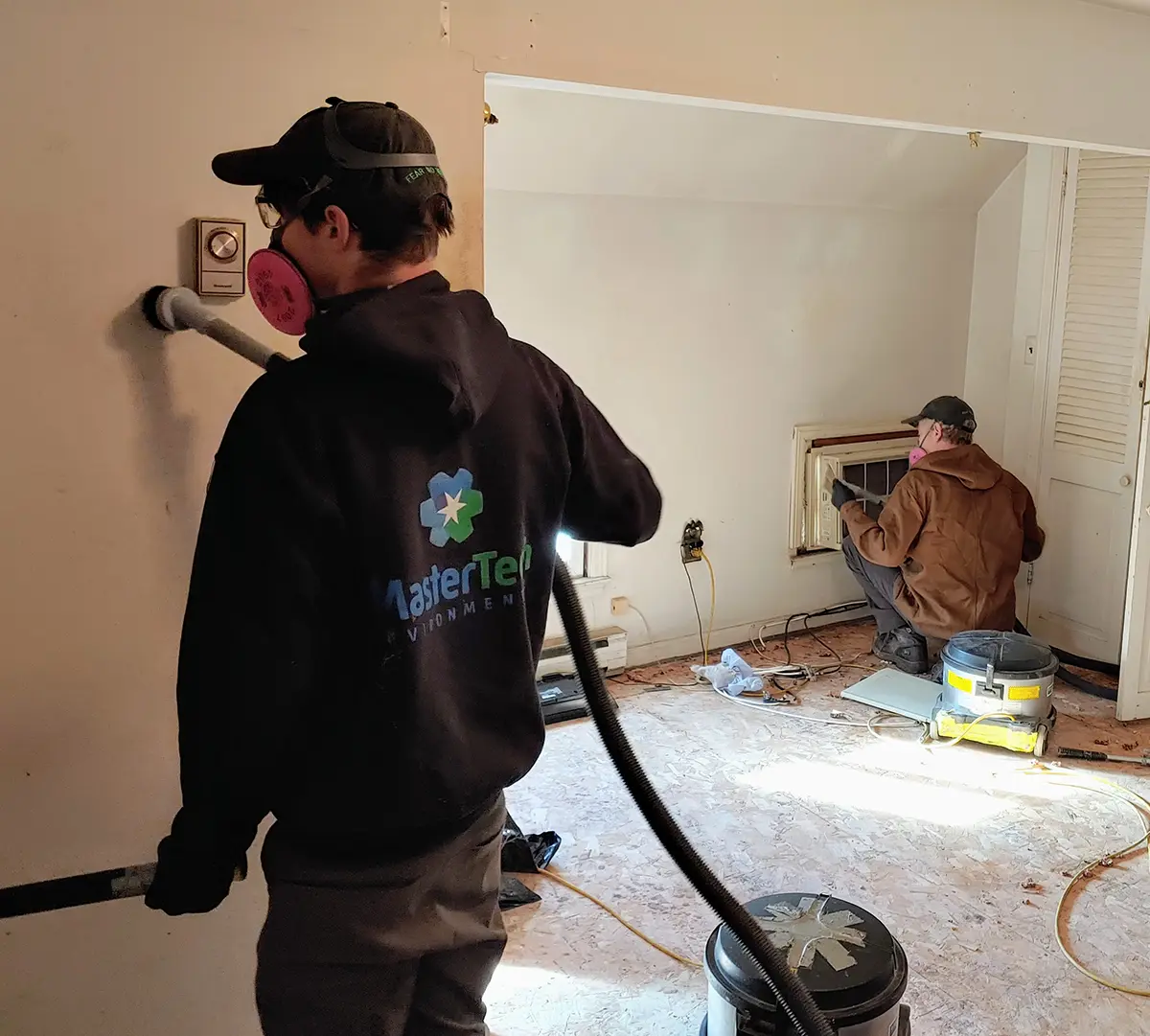
Why Can’t I Save Money and do it All Myself?
Because sometimes, it’s not just about removing what the eye can see. Charlotte’s many months of high humidity allow moisture to sneak behind walls or into crawl spaces where mold can grow undetected. The CDC says controlling moisture is the single most important step in preventing mold. In practical terms, that means keeping indoor humidity under control, improving airflow in bathrooms, laundry rooms, attics, and crawl spaces, and drying wet materials quickly after leaks or storms.
When damp conditions linger for even a short time, mold can begin developing on wood, drywall, carpet, insulation, and stored belongings. By the time staining becomes visible, the affected area may already be more widespread than expected, which is one reason a professional inspection can save time, guesswork, and repeated cleanup attempts.
If the mold is small, isolated, and sitting on a hard surface, cleaning may be enough. If it keeps returning, smells musty, follows a leak, or appears on drywall, wood, carpet, insulation, or another porous material, the problem needs a closer look. At that point, the stain is only the visible part of the issue.
MasterTech Environmental helps Greater Charlotte homeowners find out where the moisture is coming from, how far the mold has spread, and what needs to happen next. If you are unsure whether you need cleaning or mold remediation, get an expert evaluation before the same problem turns into repeated cleanup, damaged materials, and a larger repair. MasterTech Environmental serves the Greater Charlotte community 24/7, 365 days a year.