
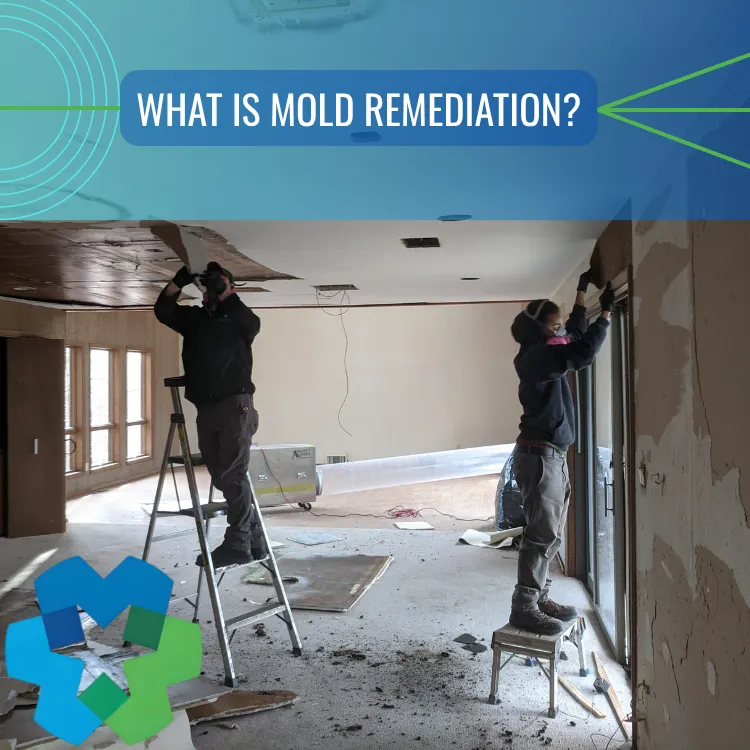
When people hear Charlotte mold remediation, they often picture one thing: a crew comes in, sprays a product on a dark patch, wipes the area down and the problem is gone. That isn’t how a serious remediation scope works. Real remediation isn’t judged by whether a stain looks lighter or whether a surface smells cleaner for a few days. It’s judged by whether the home is no longer being kept in a contaminated condition by mold growth, damaged materials, settled residue, disturbed particles, and ongoing moisture.
That distinction is the whole point of the work. EPA guidance makes the same basic point: mold cleanup is tied to moisture control, removal of contaminated material when needed, and cleanup methods that prevent spread rather than just improve appearance.
Visible mold is only one part of the problem. In many homes, the obvious growth is simply the part that caught your attention first. What really drives the remediation scope is the condition of the surrounding materials and the contamination that may have moved beyond the visible patch. That’s why at MasterTech Environmental Charlotte, we don’t treat remediation as a cosmetic project. A wall can look better while still leaving behind damaged, porous material, contaminated dust, or an active moisture condition that allows the same issue to restart. Mold can leave stains and cosmetic damage even after proper cleanup, so appearance alone isn’t a reliable indicator of success.
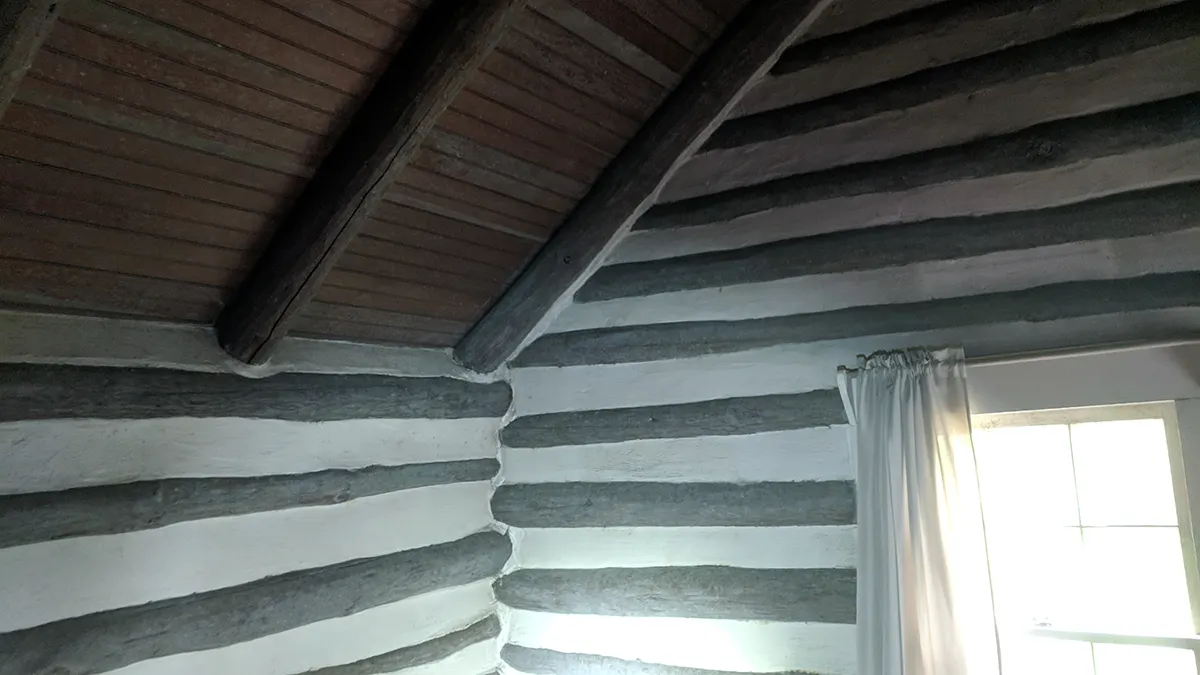
If mold contamination has penetrated porous materials, those materials may need to come out. That can include drywall, insulation, carpet pad, ceiling materials, trim or other absorbent components, depending on the moisture exposure and how deeply the contamination has moved. Moldy absorbent or porous materials may need to be discarded because mold can grow in hidden spaces and crevices, making thorough cleaning difficult or impossible.
That’s why remediation isn’t the same thing as “kill it and leave it.” Some materials can be cleaned, but others can’t. The difference isn’t based on hope or appearance. It’s based on the material, how long it’s been wet, whether contamination has penetrated it, and whether it can realistically be returned to a clean, dry condition. If it can’t, removal isn’t an overreaction. It’s the logical part of the correction.
Charlotte mold remediation also removes contamination that has settled beyond the obvious growth area. Mold problems don’t stay neatly contained on one visible surface. As materials break down or are disturbed, particles can settle on nearby framing, floors, contents and horizontal surfaces. During cleanup, that residue must be addressed so the work area isn’t left with contamination merely redistributed from one place to another.
We clean the remaining surfaces after removal of contaminated materials, focusing on controlled removal and cleaning of the remaining area rather than visible treatment alone. This point often gets missed because residue is less dramatic than a black patch on drywall. But from a remediation standpoint, it’s one reason superficial treatment falls short. If damaged material is removed but the surrounding dust load is ignored, the project isn’t really complete.
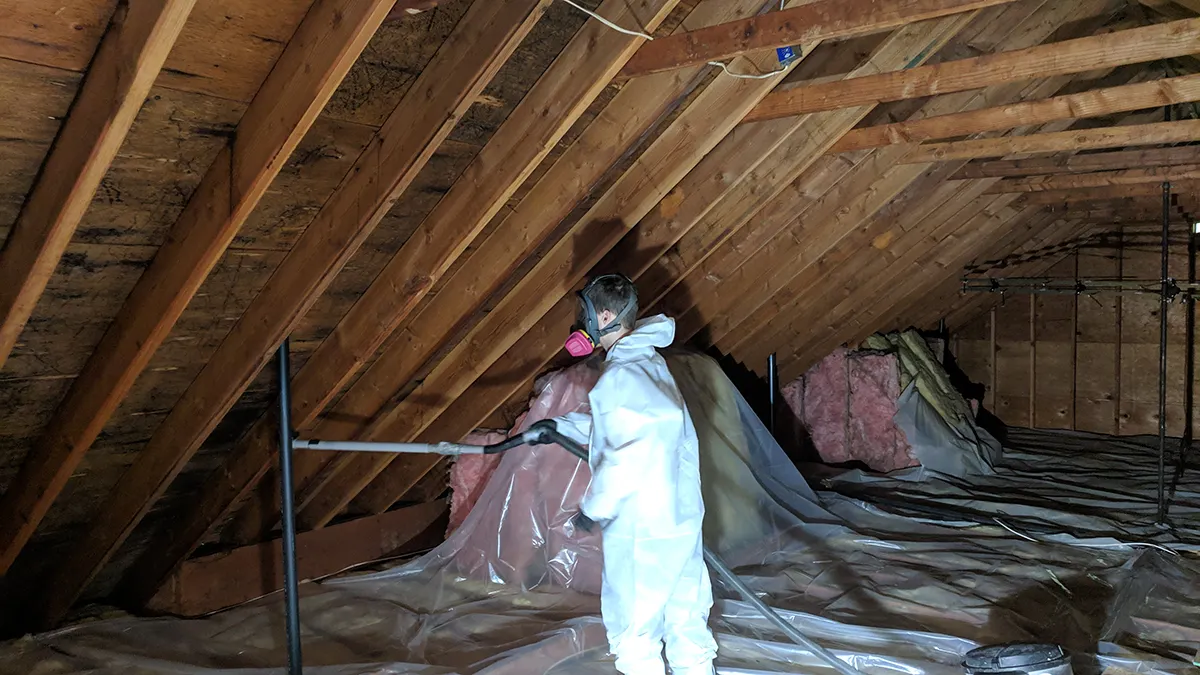
Thorough remediation also controls what becomes airborne during the work. Once demolition begins, the job is no longer just about what was sitting still on a wall or inside a cavity. Disturbance can release mold fragments, dust and debris into the air and into adjacent areas if the work zone isn’t isolated.
The goal of containment is to limit mold spread throughout the building. When we perform Charlotte mold remediation, we do so in a way that keeps dust and mold out of the air as much as possible.
Containment is part of remediation: preventing contamination from spreading while contaminated materials are cut out, bagged, handled, and cleaned up. When people think of remediation as just spraying, they overlook that it’s partly about preventing the cleanup itself from turning a localized problem into a larger one.
One of the most important things mold remediation removes isn’t a material at all. It removes the conditions that allowed contamination to continue. If the moisture source remains active, the remediation is incomplete even if the area looks cleaner when the crew leaves. Moisture control is the key to mold control; leaks or other water problems must be fixed, and materials must be dried completely.
If a crawlspace humidity issue, roof leak, plumbing leak, drainage problem or drying failure created the condition in the first place, then leaving that issue in place means the house is still set up for the same cycle to continue. A project that removes damaged drywall but ignores the ongoing moisture isn’t finished in any meaningful sense.
Charlotte mold remediation isn’t just fogging a room, nor is it wiping a stain and calling it done. It’s also not a promise that every discolored surface will look new again. Again, mold can cause cosmetic damage, and that original appearance may not be fully restored even after proper cleanup. That matters because homeowners sometimes judge the project by the wrong benchmark. The better question isn’t “Does this look brand new?” The better question is “Were the contaminated materials, residue, airborne risks and moisture source actually addressed?”
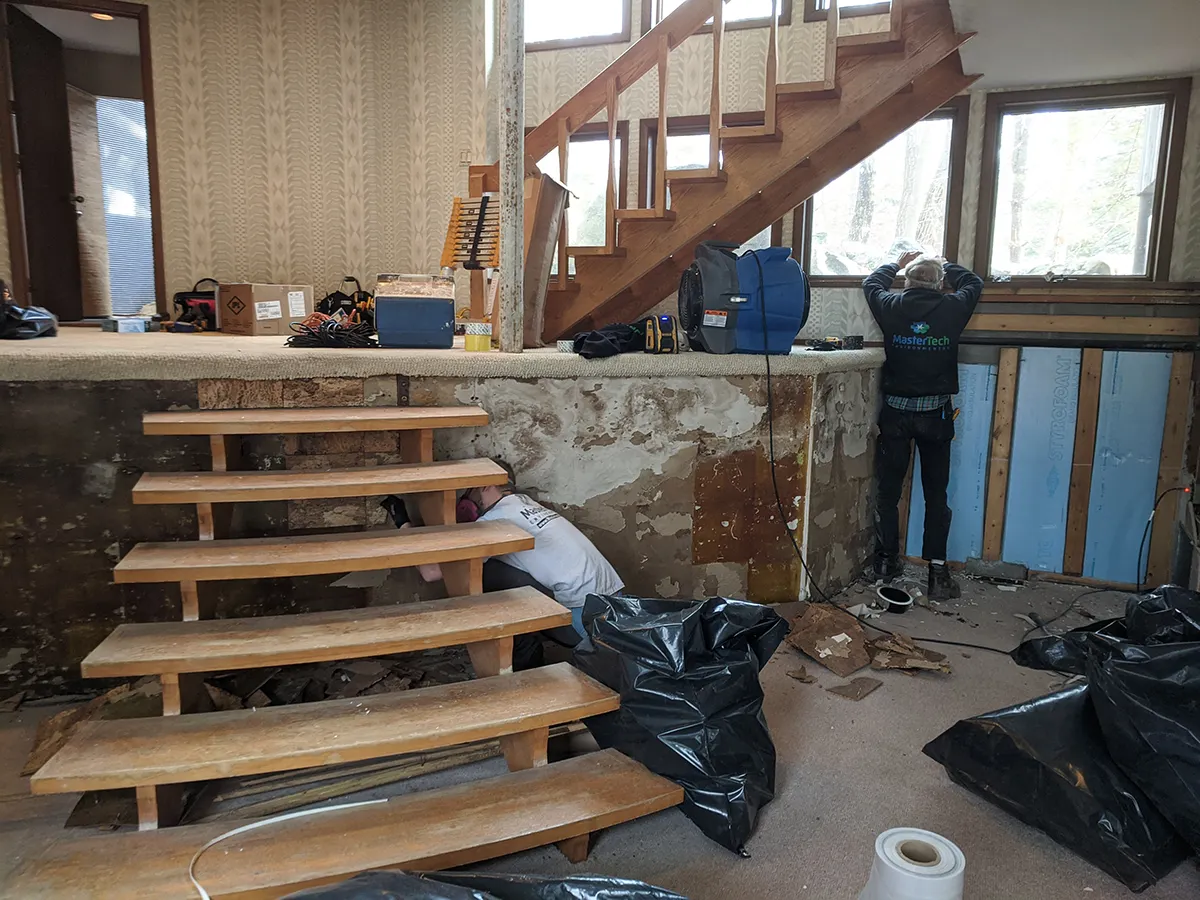
Charlotte mold remediation should remove more than visible growth. It should remove unsalvageable porous material when contamination has penetrated it. It should also remove settled dust, debris, and residue from the work area. True remediation will control airborne particles so that cleanup doesn’t spread contamination into the rest of the house. It will also remove the moisture condition that allowed the problem to develop in the first place.
That’s the standard homeowners should use when trying to determine whether a project is real remediation or just a surface treatment. Federal guidance consistently supports that broader view of remediation, and it aligns with the way we approach the work at MasterTech Environmental Charlotte: isolate, remove what can’t be saved, clean what can remain, and correct the moisture issue so the house isn’t pushed right back into the same problem.