





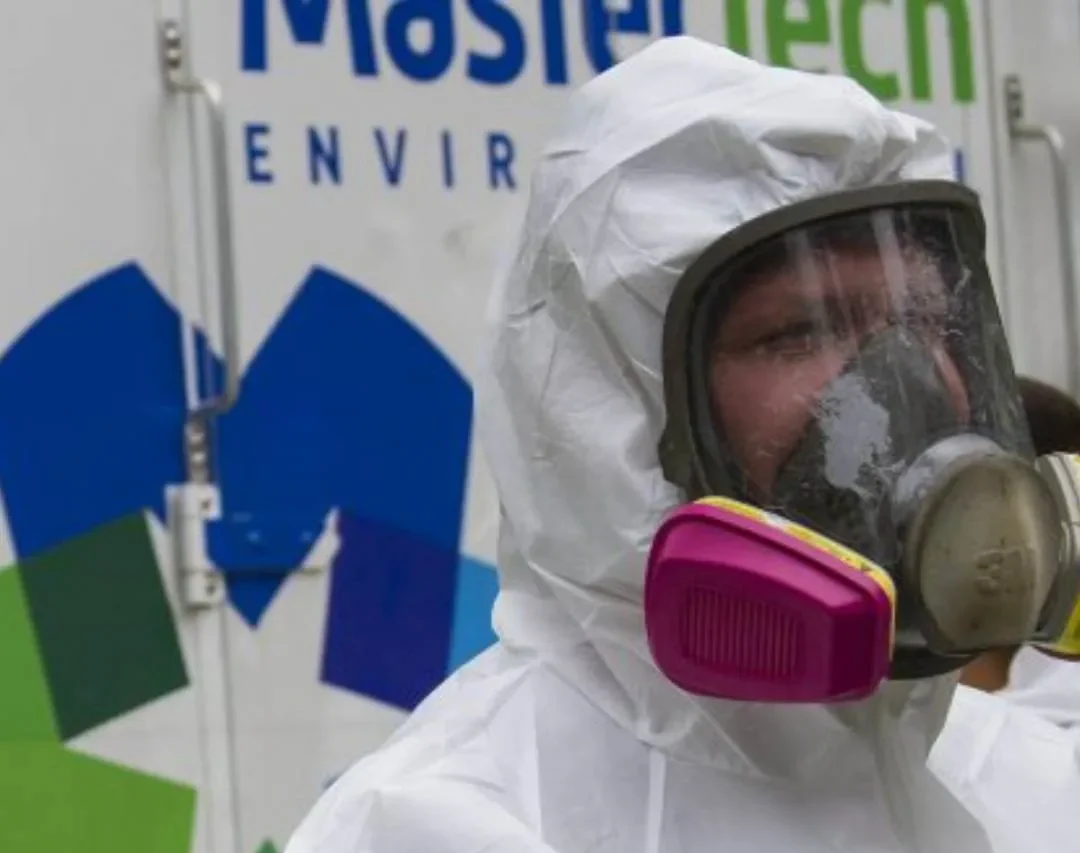
Mold problems usually start quietly. A small leak, high humidity, or poor ventilation can create the right conditions for mold to grow behind walls, under floors, or inside crawlspaces. By the time it’s visible, it’s often been there longer than most people realize.
Professional mold remediation focuses on more than just cleaning what you can see. The goal is to safely remove mold, control moisture, and prevent it from coming back. When done correctly, remediation helps protect both the structure of the building and the indoor environment.
Not every mold issue requires full remediation, but when mold growth is active, spreading, or tied to ongoing moisture problems, removal becomes the right next step.
Mold remediation is typically recommended when:
Mold is visible on building materials
Mold keeps returning after surface cleaning
Water damage has occurred and mold is present
Mold growth is discovered during an inspection
Odors suggest hidden mold growth
Building materials are damaged or deteriorating
Addressing mold early often reduces the scope of work and prevents more extensive damage later.
Mold problems are often underestimated or treated with short-term fixes. While surface cleaning may improve appearances temporarily, it rarely addresses the full issue.
Charlotte homeowners choose professional mold remediation because it:
Properly removes mold instead of masking it
Prevents cross-contamination during cleanup
Addresses moisture problems that cause repeat growth
Protects indoor air quality during and after removal
Provides documentation when remediation is complete
Professional remediation isn’t about overreacting — it’s about fixing the problem correctly the first time.
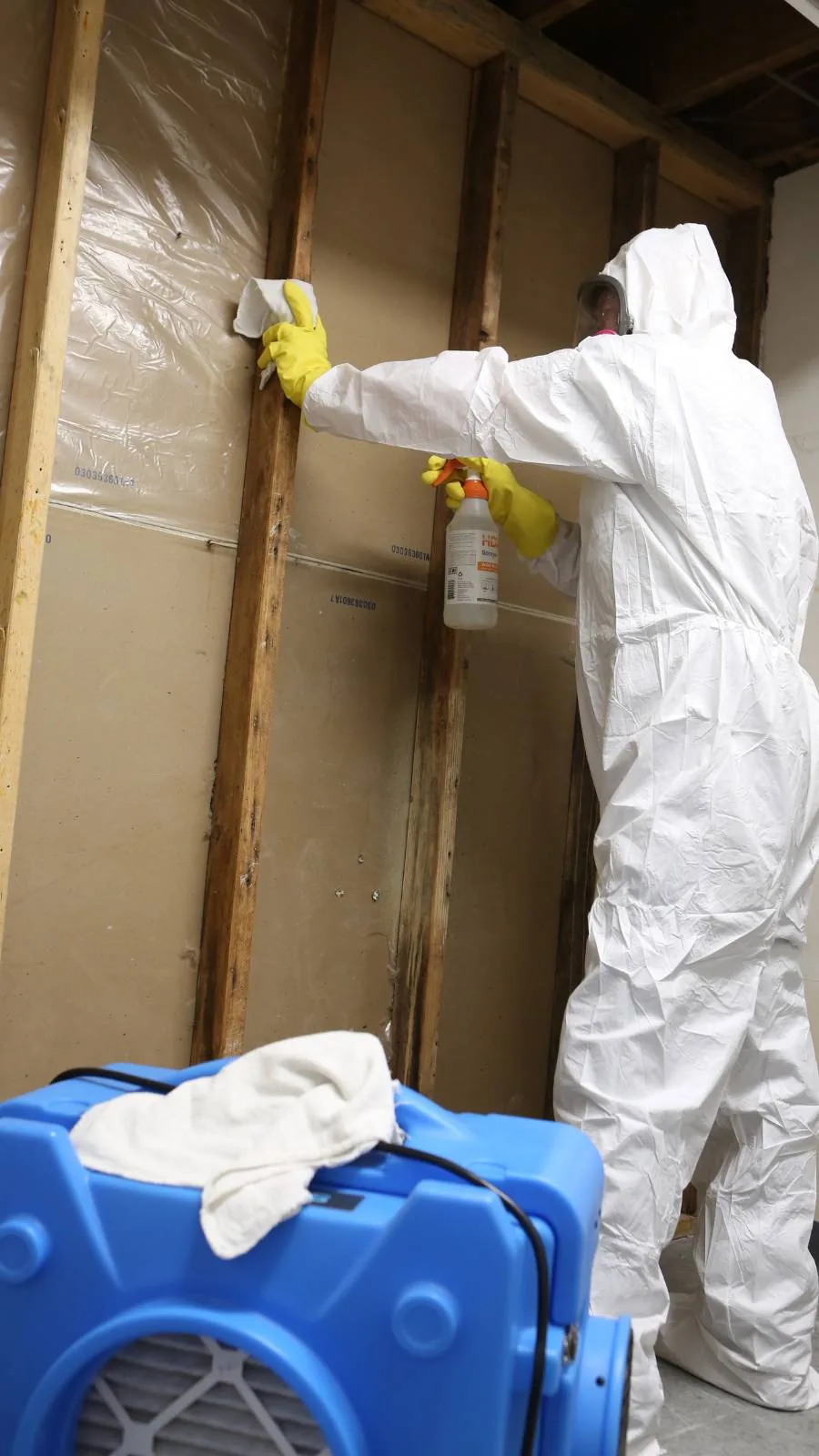
Mold remediation isn’t a single step or a quick spray-and-wipe solution. It’s a structured process designed to remove mold safely while protecting the rest of the property.
A proper remediation project typically includes:
Identifying the full extent of mold-affected areas
Setting up containment to prevent cross-contamination
Using negative air or air filtration when needed
Removing mold-damaged materials safely
Cleaning and treating remaining surfaces
Addressing moisture issues that caused the growth
Each step plays a role in making sure mold is removed thoroughly and doesn’t spread during the process.
DIY mold cleanup often focuses on appearances, not causes. While surface cleaning may temporarily improve how things look, it rarely addresses moisture problems or hidden growth.
Professional mold remediation helps ensure that:
Mold is removed safely, not disturbed or spread
Contaminated materials are handled properly
Indoor air quality is protected during cleanup
Moisture problems are corrected, not ignored
The risk of recurring mold is reduced
This isn’t about overreacting — it’s about fixing the problem correctly so you don’t have to deal with it again.
Mold growth often shows up in areas where moisture lingers or ventilation is limited. Some of the most common locations include:
Crawlspaces
Basements
Bathrooms
Attics
Behind drywall
Around windows and doors
Near plumbing and HVAC systems
Even when mold isn’t visible, it can still be present behind surfaces if conditions are right.
Recurring mold problems almost always point to unresolved moisture issues. Removing mold without fixing the underlying cause is usually a temporary solution.
Common contributors include:
Plumbing leaks or slow drips
Poor crawlspace ventilation
High indoor humidity
Roof leaks
HVAC condensation issues
Past flooding or water damage
Effective remediation always includes identifying and addressing these conditions.
Our approach to mold remediation in Charlotte is straightforward and professional. We focus on safe removal, proper containment, and preventing repeat growth — not quick fixes or unnecessary work.
You’ll understand what’s being removed, how it’s being handled, and what needs to happen next to keep mold from coming back.

We've has built a solid reputation nationally through consistently high-standards-remediation and restoration work, including recognition from HGTV and the DIY Networks. Fred and Jeanmarie are bringing those same standards to Charlotte and are focused on doing the work properly and building a strong reputation.
Typical homes often deal with humidity, older basements, and older plumbing systems — perfect conditions for hidden mold.
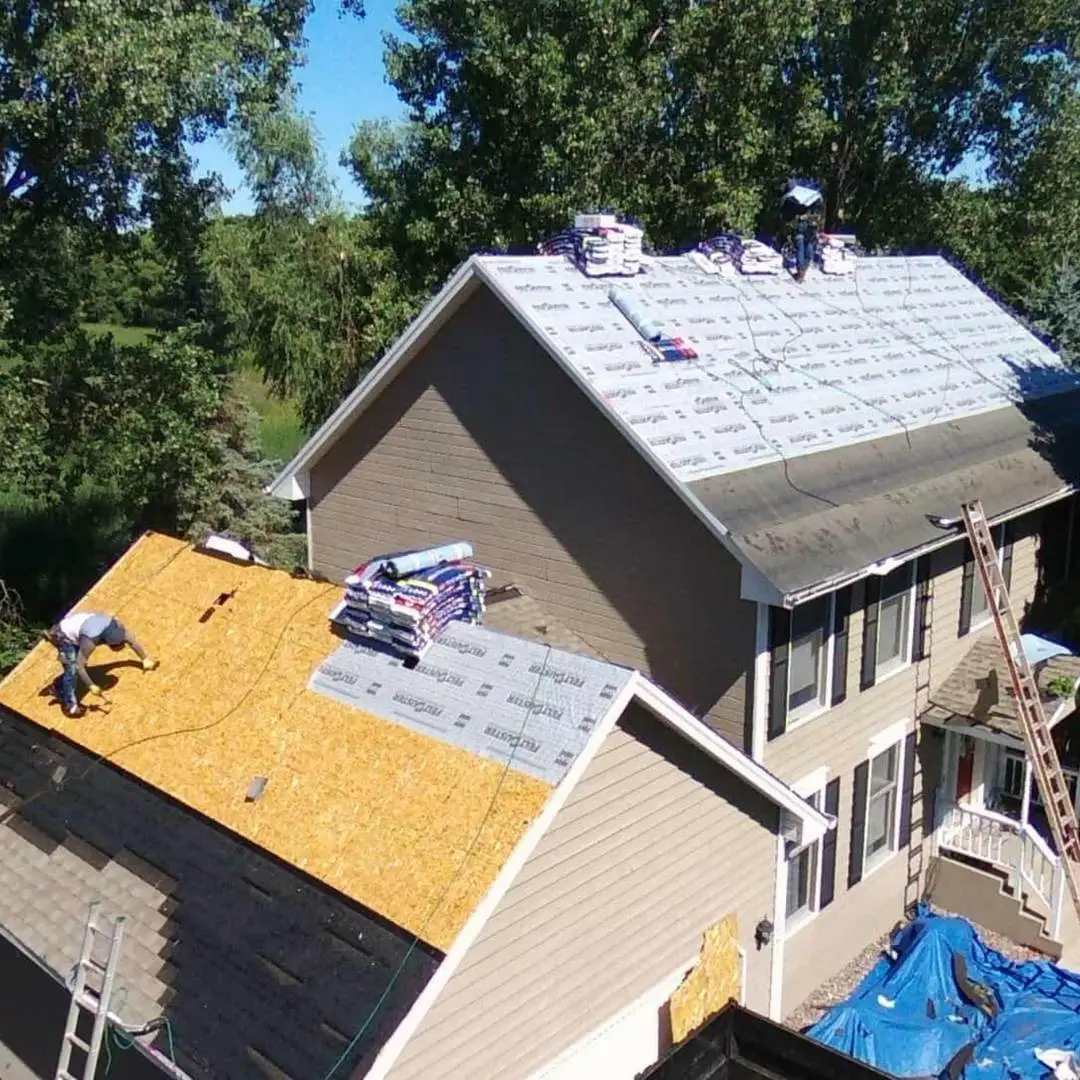
Humidity & Poor Ventilation

Condensation & Moisture Intrusion
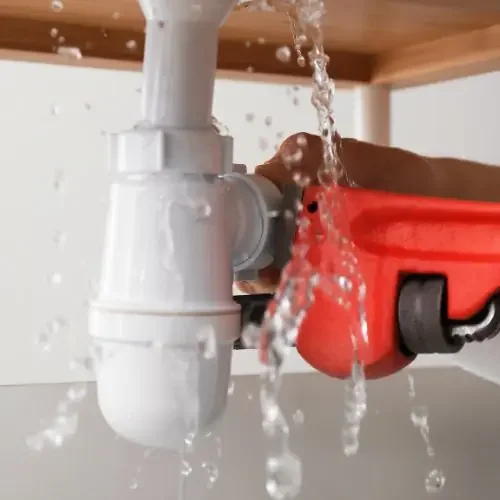
Plumbing Leaks & Damp Drywall
Mold doesn’t affect only homes. Offices, rental properties, retail spaces, and commercial buildings can experience mold growth as well — often with higher stakes due to occupancy and liability concerns.
Professional remediation services are designed to work in both residential and commercial settings, with careful planning to minimize disruption and protect occupied spaces.
If mold has already been identified, the next step is determining the scope of removal and getting a clear plan in place. This typically starts with reviewing inspection findings or assessing visible mold growth and moisture conditions.
From there, remediation can be tailored to the specific situation — whether that involves a small, localized area or a larger affected space.
If you’re dealing with mold and need professional help, the next step is simple. Reach out to discuss your situation, ask questions, or request an estimate.
You can:
Visit your local mold remediation page for area-specific details
Contact us directly to talk through your situation and next steps
Clear information and proper remediation go a long way toward resolving mold issues the right way.
Peace of mind starts with fixing the problem properly.