Homes and Renovated Spaces
Roof leaks, plumbing repairs, additions, replaced windows, finished lower areas, and altered ventilation can affect where moisture travels and what remains concealed.

Pineville, North Carolina
Mold concerns in Pineville can arise in detached homes, rentals, attached units, offices, retail spaces, and other managed properties. MasterTech evaluates the reported area, visible conditions, relevant moisture history, and whether targeted testing would provide a useful answer.
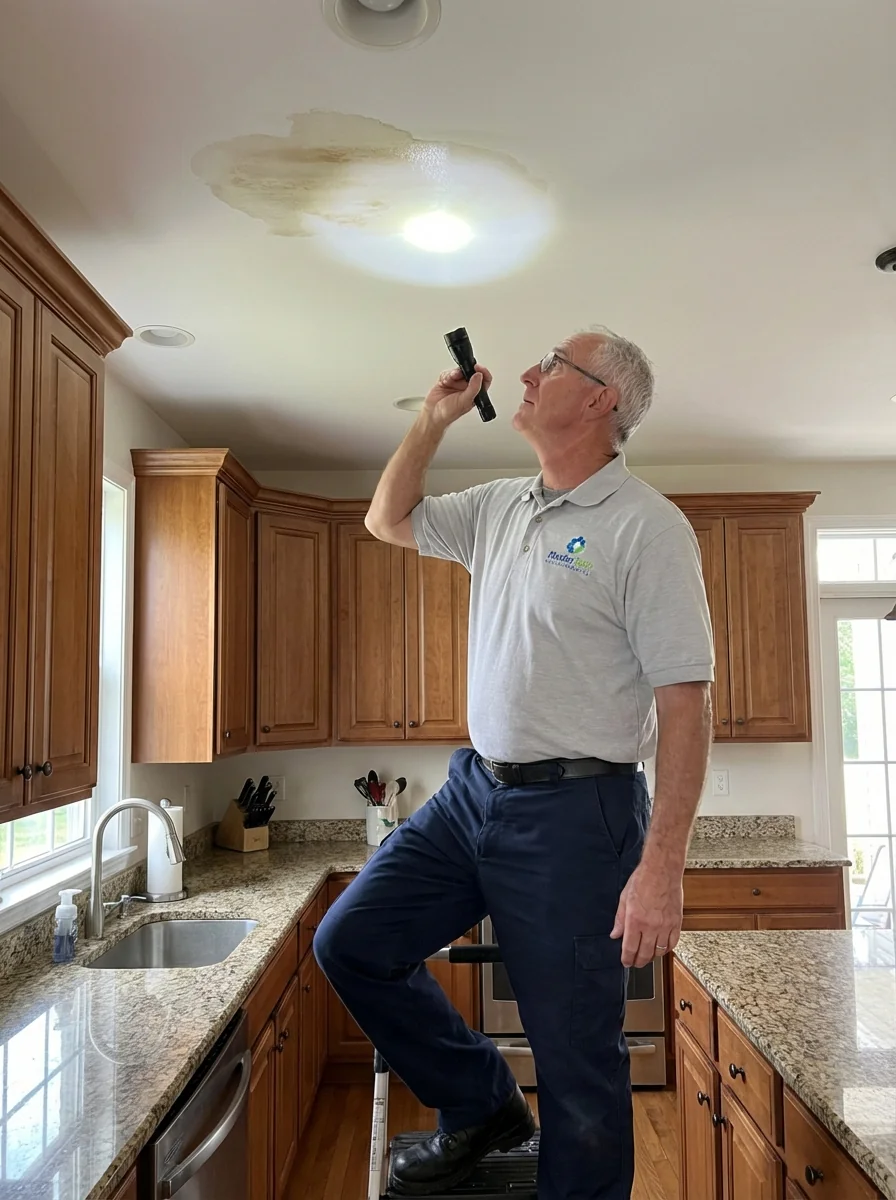
Homes and business properties
Tell us what you noticed, where the concern is located, and whether there has been a roof leak, plumbing problem, HVAC condensation, appliance failure, exterior water entry, or previous repair. We will use that information to prepare a focused inspection.
Property use changes the questions
A mold inspection should fit the way the property is built and used. A stain in a detached home, an odor in an attached unit, and ceiling damage in a commercial space may involve different materials, moisture paths, and building systems.
Roof leaks, plumbing repairs, additions, replaced windows, finished lower areas, and altered ventilation can affect where moisture travels and what remains concealed.
A concern inside one unit may be close to shared plumbing, walls, ceilings, or exterior components. The inspection documents what can be observed in the accessible space and identifies where additional building information may be needed.
Roof penetrations, ceiling plenums, plumbing lines, HVAC condensate, tenant improvements, and operating schedules can affect how the reported area is inspected and documented.
Look for where water traveled
Mold does not develop because a property is located in Pineville. It develops when moisture remains on or inside materials long enough to support growth. The inspection therefore follows the reported moisture path rather than relying on assumptions about the town, ZIP code, or building type.

Water can travel from a roof opening, flashing detail, drain, or penetration before appearing as staining on a ceiling or upper wall.
A slow supply, drain, fixture, or appliance leak can affect cabinets, drywall, flooring, and wall cavities beyond the point where water first becomes visible.
Condensate lines, drain pans, cold surfaces, or ventilation conditions can create localized moisture that needs to be evaluated in relation to the reported concern.
Exterior water entry, wet flooring, repeated dampness, or a past water loss can affect baseboards, wall materials, subflooring, or lower-level spaces.
Common reasons to call
Consider an inspection when you have:
A focused inspection
The inspection begins with the area you report and the decision you need to make. It is a non-destructive review of accessible conditions, supported by moisture observations and targeted sampling when useful.
We document what you noticed, when it began, and whether the condition appears to be changing.
Relevant visible surfaces, adjacent materials, and accessible building areas are reviewed for staining, suspected growth, water damage, and other moisture-related evidence.
Roof, plumbing, appliance, HVAC, exterior, and previous water-loss information is considered in relation to the affected area.
If sampling is recommended, the inspection should explain the question the sample is intended to answer and how the result may affect the recommendation.
The report explains observed conditions, testing results when used, access limitations, and practical next steps in clear language.


Testing is one tool
Testing is one tool, not the entire inspection. Visible mold often makes routine sampling unnecessary, while an unclear or non-visible concern may justify targeted testing. The decision should be tied to the property and the question that needs to be answered.
The report should identify where the concern was found, what material is involved, whether moisture appears active or historical, what could not be accessed, and whether the next step is monitoring, repair, further inspection, or remediation.
Use the findings to decide
The local page gives Pineville property owners a direct way to request the service. The inspection page should not assume that remediation is necessary before the findings are complete.
Local ownership
Fred and Jean Marie Dour own MasterTech Environmental of Charlotte and serve Pineville and the surrounding Charlotte area. Their approach is to explain the condition clearly, avoid unnecessary pressure, and help you make the next decision based on the property and the findings.
Meet Fred and Jean Marie
Pineville, North Carolina
Tell us whether the concern is in a home, attached unit, rental, office, retail space, or another property, and include any known leak or moisture history. We will help define the appropriate inspection scope.