
![[HERO] Crawlspace vs. Attic: The Most Common Mold Hiding Spots in Cornelius, NC Homes](https://cdn.marblism.com/xqNLSXnS_qx.webp)
If you live in Cornelius, Huntersville, or anywhere around the Lake Norman area, you already know the humidity is no joke. We get those long, sticky summers where the air feels like a wet blanket. For homeowners, that moisture isn't just an inconvenience: it’s an open invitation for mold.
When we go out for a mold inspection in Charlotte, NC, or head up to Pineville to check out a damp basement, we usually find the same thing: mold likes to hide where people don't go. In most North Carolina homes, that means the crawlspace or the attic. These two areas are the biggest "hot spots" for growth, but they each have their own reasons for failing.
Understanding why mold chooses one over the other: and what the warning signs are: can save you a lot of money on mold remediation in Charlotte, NC down the road.
Cornelius is beautiful, but the proximity to the water and the local geography creates a microclimate that’s very friendly to fungal growth. We deal with high water tables and heavy rain cycles that put a lot of pressure on foundations. Whether you’re in a brand-new build in Huntersville or an older lakefront property in Cornelius, your home is constantly fighting off moisture.
When that moisture gets trapped in a dark, unconditioned space, mold is almost guaranteed. If you’ve ever noticed a musty smell when you walk through the front door, or if your allergies seem to flare up every time the AC kicks on, the problem is likely lurking either below your feet or above your head.
In North Carolina, the crawlspace is arguably the number one place we find significant mold issues. Most homes here are built on crawlspaces rather than slabs or full basements. While it’s great for accessing pipes and wires, it’s a nightmare for moisture control if it isn't managed correctly.
The biggest enemy of a crawlspace in the Charlotte area is the "stack effect." Basically, warm air rises. As the warm air in your living space moves up and out of the attic, it pulls air from the crawlspace into your home. If that crawlspace air is full of mold spores and high humidity, that’s exactly what you’re breathing.
Most crawlspaces in our area have vents. Back in the day, people thought venting a crawlspace was the way to keep it dry. We now know that in a climate like ours, those vents just let in the swampy outside air. When that humid air hits the cool wood floor joists or ductwork, it condenses into liquid water.

Our local red clay soil holds onto water like a sponge. If your grading is off or your gutters are dumping water right next to the foundation, that water seeps through the porous masonry walls. If you don't have a high-quality vapor barrier: or if the one you have is torn and covered in standing water: the humidity levels under your house will skyrocket.
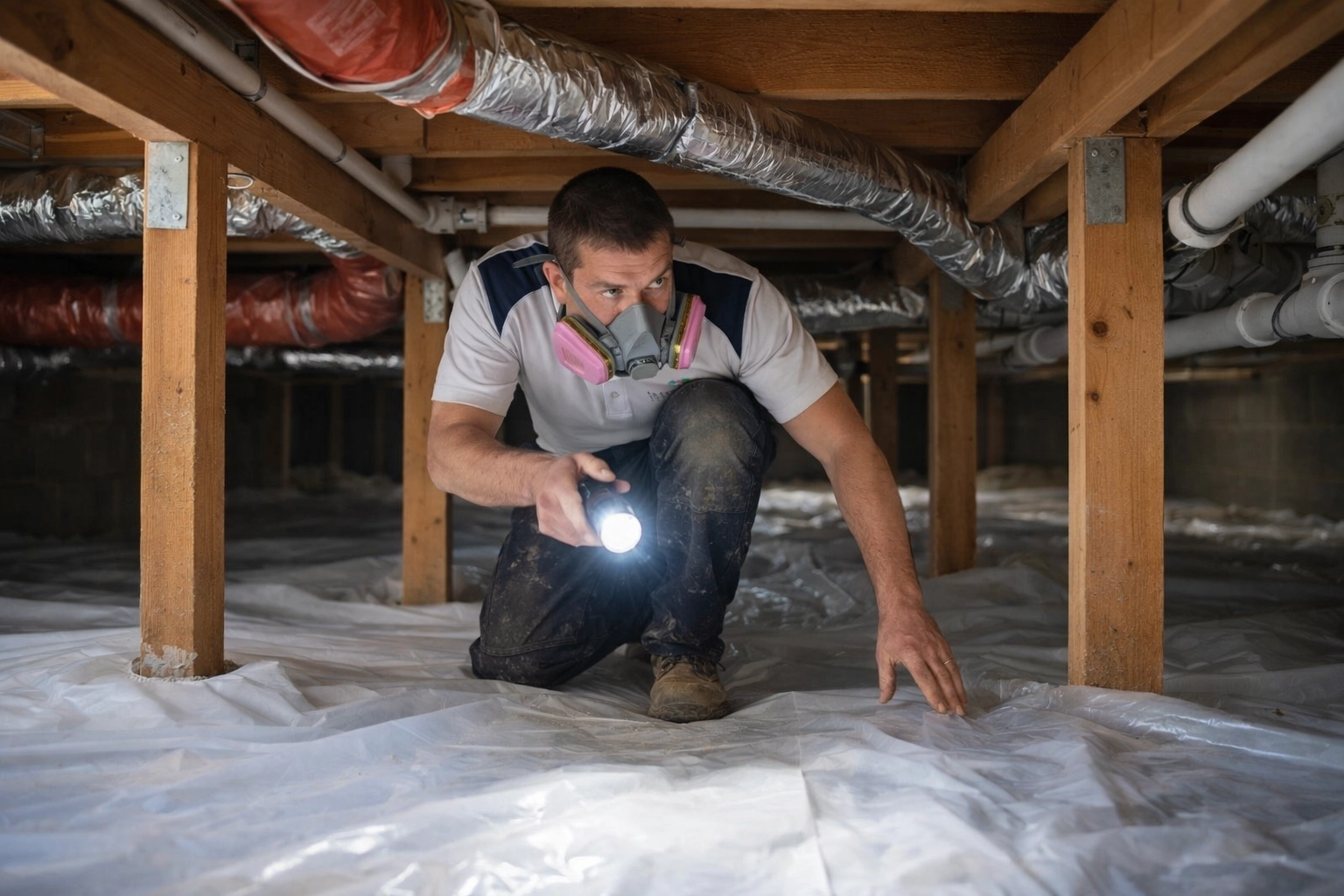
When we perform crawlspace mold inspections, we often see white, fuzzy growth (often Penicillium/Aspergillus) or even the more concerning black mold on the floor joists and the subfloor. If left alone, this can eventually lead to structural rot, requiring more than just mold removal: it might involve full water damage restoration in Charlotte, NC.
While the crawlspace is attacked by ground moisture and humidity, the attic faces a different set of challenges. An attic is supposed to be a "buffer" between the roof and your living space, but several common mistakes turn them into mold factories.
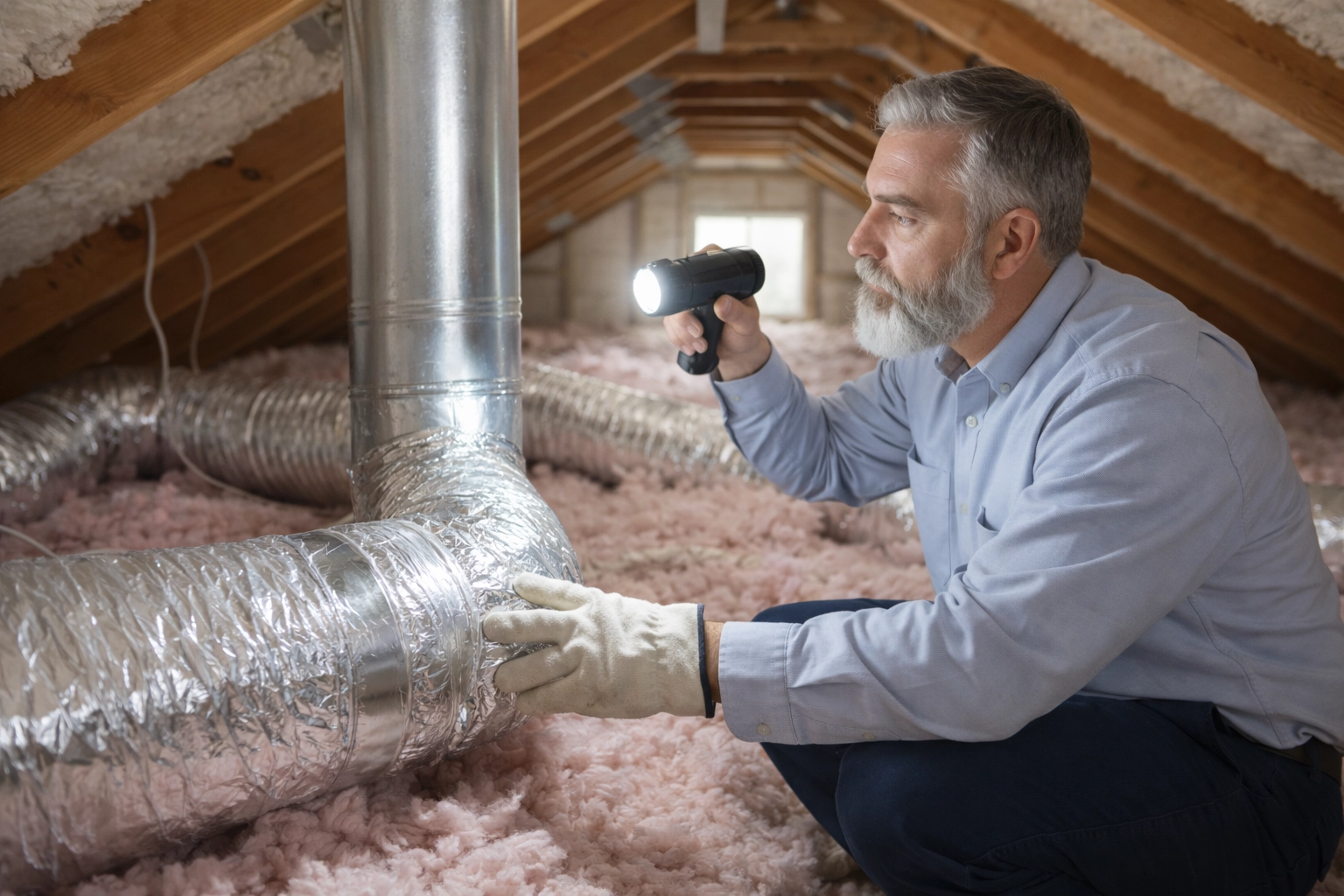
In places like Pineville or Cornelius, attics get incredibly hot. If the soffit vents are blocked by insulation or if the ridge vent isn't working right, that heat stays trapped. If any moisture gets in: whether from a tiny roof leak or a bathroom fan: it has nowhere to go. Mold loves heat and moisture, and a poorly ventilated attic provides both.
This is one of the most common things we see. A contractor or a DIY homeowner vents a bathroom exhaust fan directly into the attic instead of through the roof. Every time someone takes a hot shower, gallons of moist air are pumped directly onto the underside of the roof sheathing. Over time, this causes "frosting" or black staining on the wood, which is almost always mold.
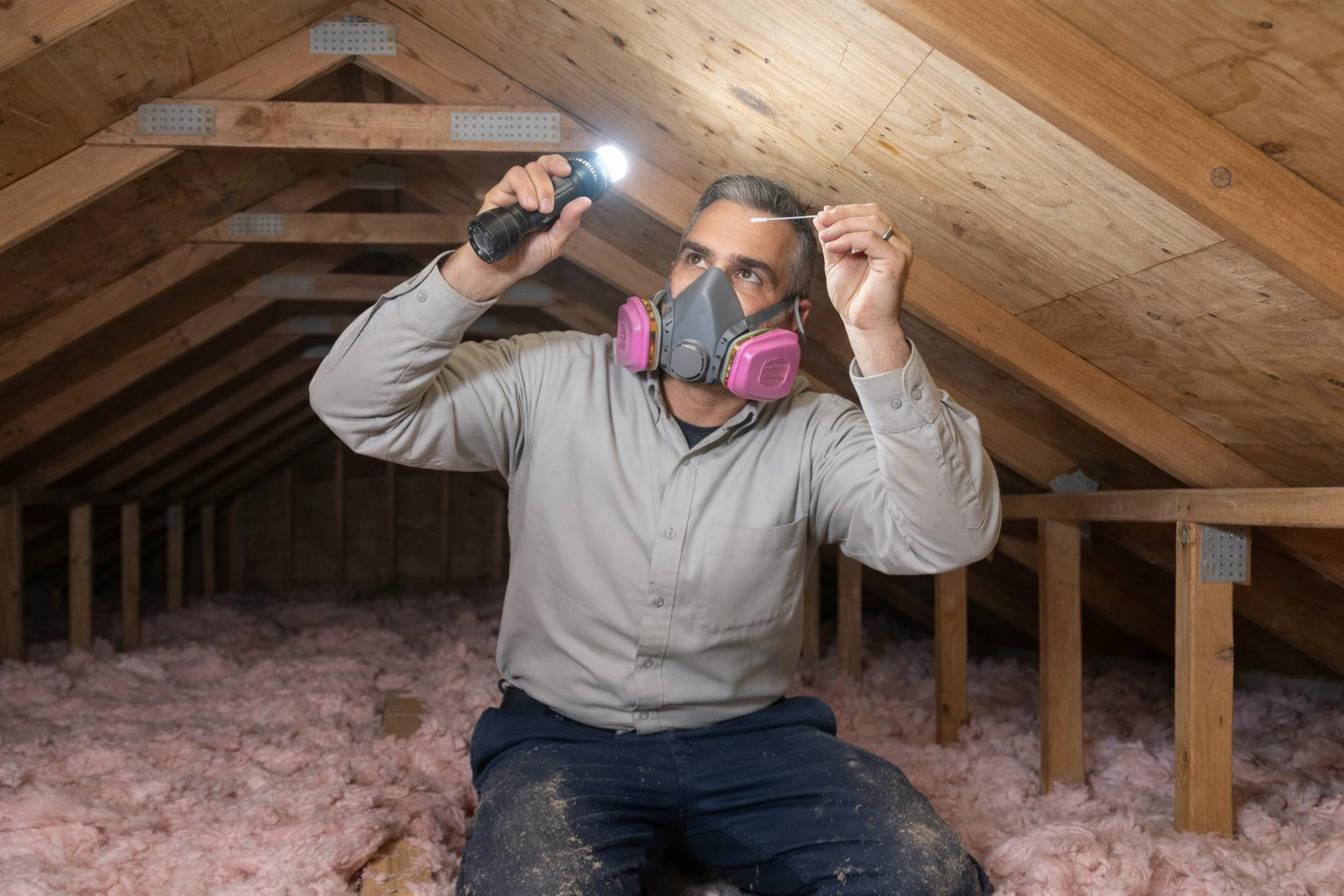
A roof leak doesn't always result in a puddle on your kitchen floor. Often, it’s a slow drip around a chimney, a vent pipe, or a valley. These slow leaks soak the insulation and the rafters over months or years. By the time you see a stain on your ceiling, you likely have a significant attic mold problem that needs professional attention.
If you’re trying to figure out where a smell or a health issue is coming from, here’s a quick breakdown of how crawlspace and attic mold differ:
While crawlspaces and attics are the big ones, we also run into situations where mold is a secondary issue. For example, in cases of hoarding cleanup in Charlotte, NC, the sheer volume of "stuff" can trap moisture against walls and floors, leading to massive mold colonies that aren't visible until the cleanout begins.
The same goes for trauma or death cleanup in Charlotte, NC. If a property has been sitting unattended, the lack of climate control can lead to rapid mold growth throughout the entire structure, not just the attic or crawlspace.
A lot of guys will tell you to just spray some bleach on it and call it a day. Don't do that. Bleach doesn't kill mold on porous surfaces like wood rafters or floor joists; it just bleaches the color out while the roots stay alive.
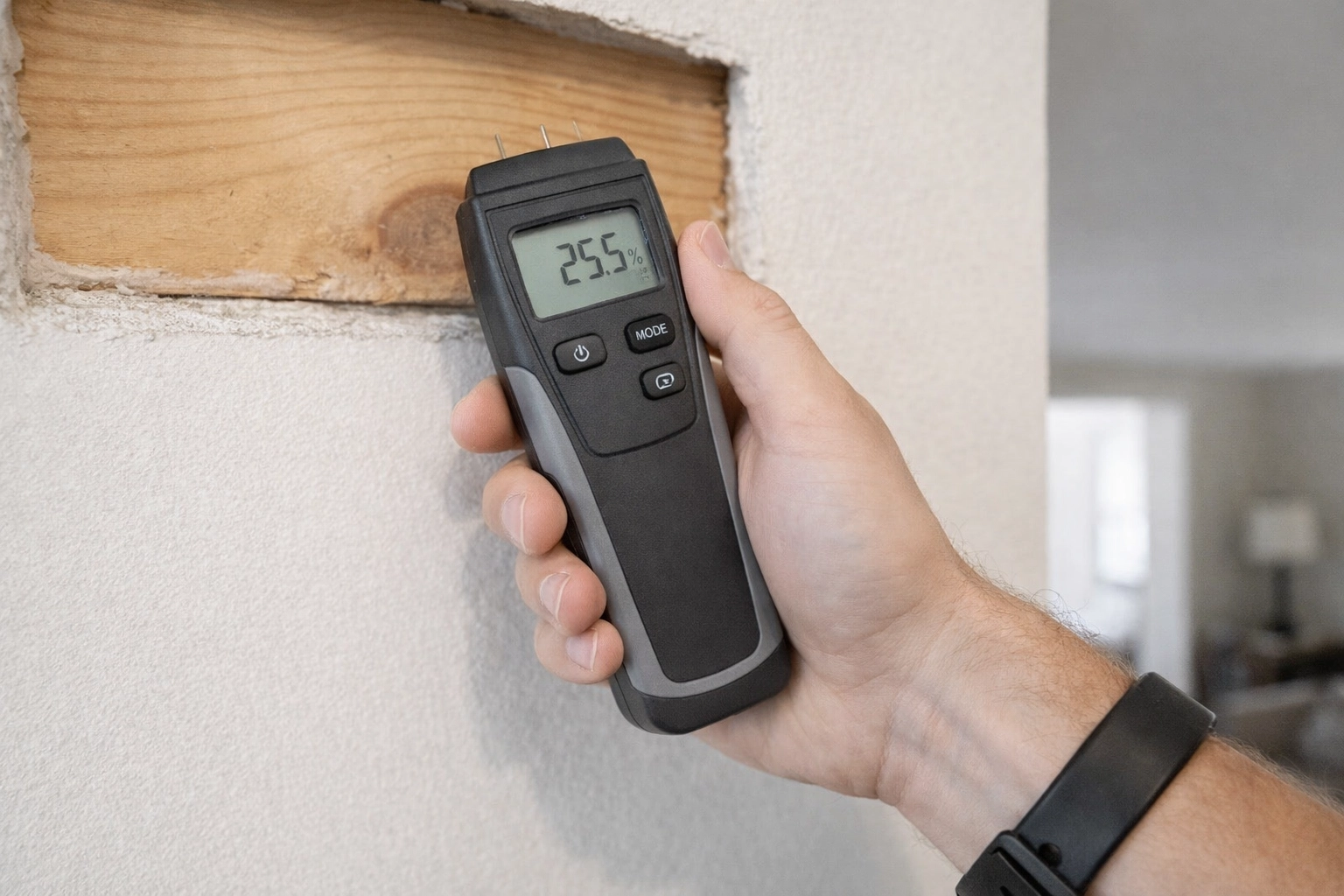
When we do a mold inspection, we aren't just looking for spots. We use moisture meters, thermal imaging cameras, and sometimes air or surface sampling to figure out exactly what’s going on. We want to know why the mold is there. If we don't fix the moisture source, the mold will be back in two weeks.
Whether you're in Huntersville or Charlotte, our process is about finding the root cause. Sometimes that means you need fire damage restoration in Charlotte, NC if a fire suppressed by water left things damp, or maybe you just need better odor control in Charlotte, NC after the remediation is finished.
If we find mold, don't panic. It's a common problem in Cornelius, but it is manageable. Understanding mold test results is the first step. We explain what the spore counts mean and whether the types of mold found are the kind that produce mycotoxins.
If the problem is in the crawlspace, the solution often involves cleaning the wood and then installing a high-quality vapor barrier or a full encapsulation system with a dehumidifier. If it’s in the attic, we clean the wood and work with you to fix the ventilation or the roof leak.
What happens if mold is found in your home? We walk you through a specific plan. We don't just "fog" the house and leave. We use HEPA filtration, physical removal (like media blasting or sanding), and antimicrobial coatings to make sure the wood is clean and stays that way.
While I (Tom) handle the mold testing and inspections in York, PA and the surrounding York County area, our team at Mastertech Environmental of Charlotte handles the full-service remediation and restoration work for our North Carolina neighbors. We’re all trained under the same rigorous standards to ensure that the job is done right the first time.
If you’re smelling something off or you’ve spotted some suspicious growth in your Cornelius attic or crawlspace, it’s better to check it now than to wait for it to become a structural or health disaster.
Living in the Charlotte area means living with moisture. Your crawlspace and attic are the front lines of your home's defense against the elements. If you haven't looked in either of those spots in the last six months, grab a flashlight and take a peek: or better yet, give a professional a call to do a thorough walkthrough.
If you’re ready to get some answers about your home’s air quality or potential mold issues, you can contact us today. We’ll give you a straight answer without the sales pitch. We’re here to help you get your home back to a safe, dry state so you can stop worrying about what’s hiding in the dark corners.